Some Example Design For You to Understand
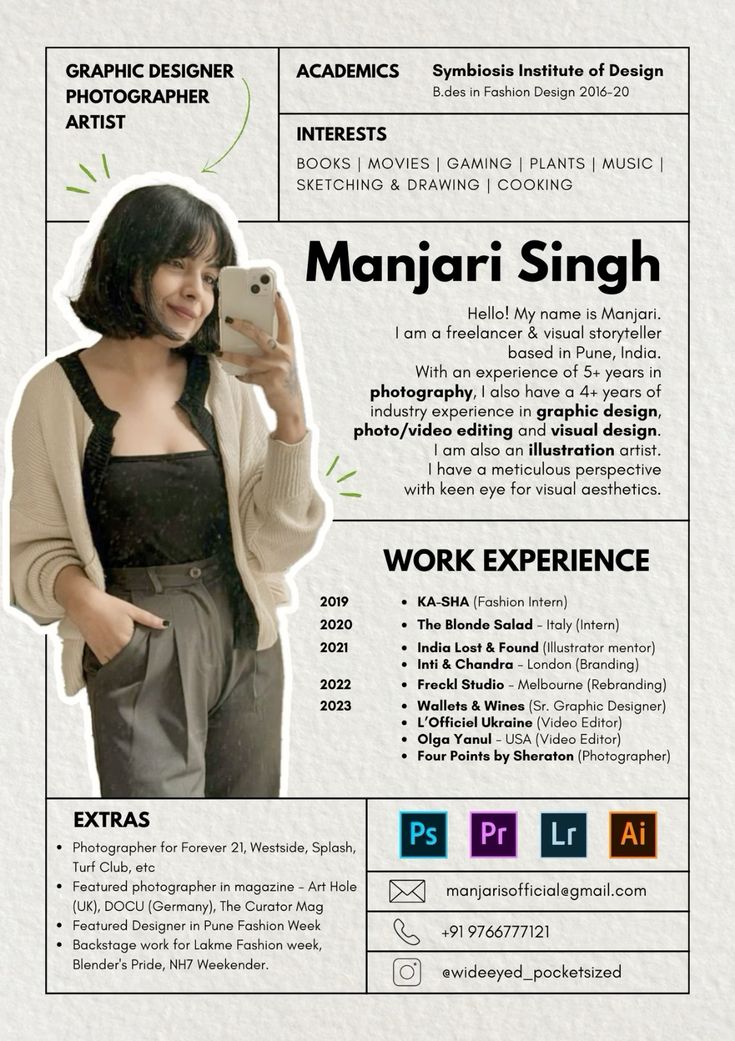
"Be Creative"
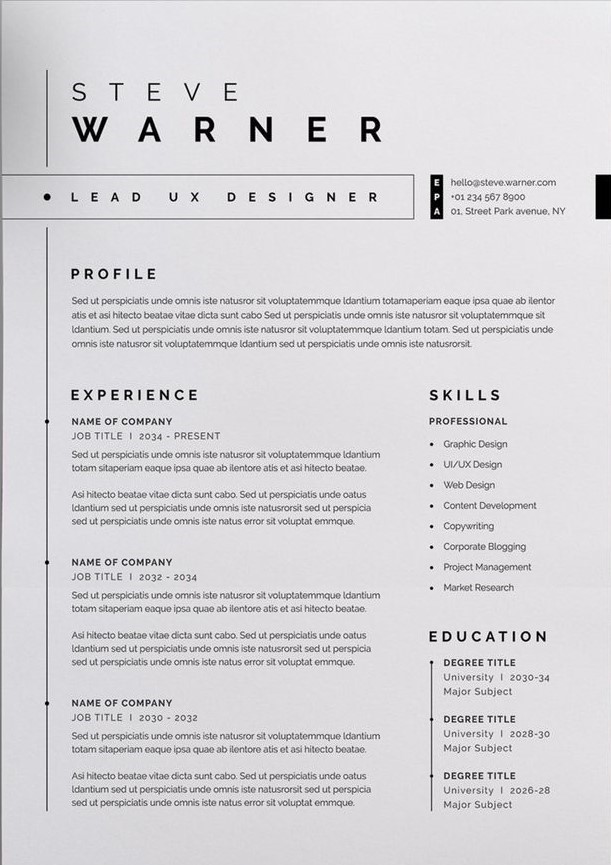
Be Professional
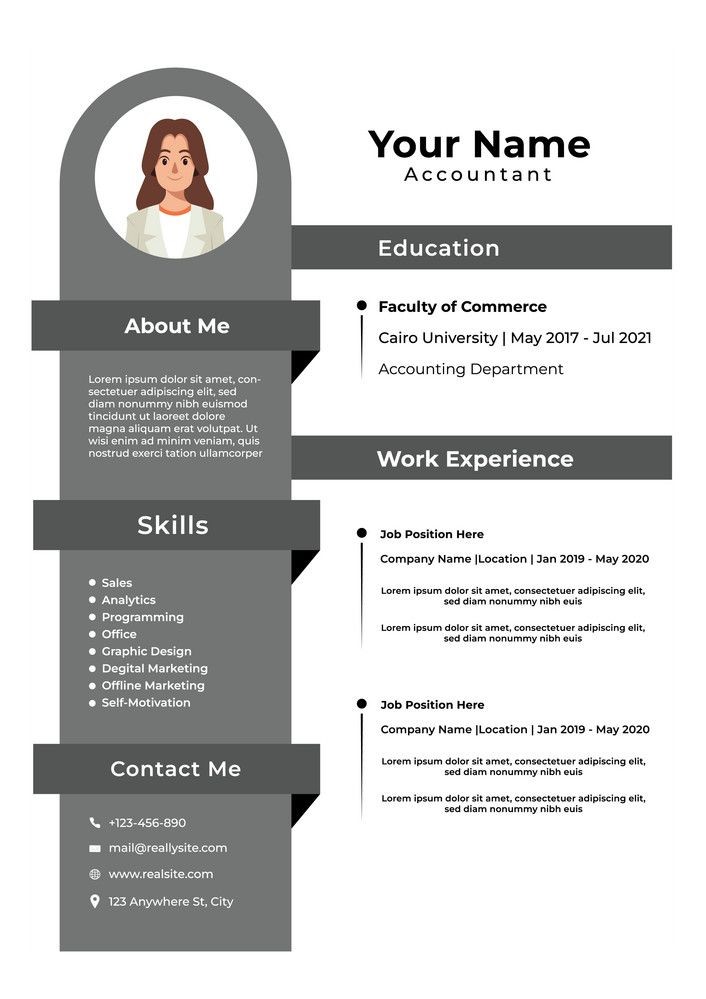
"Be Standard"
A CV (Curriculum Vitae) is a detailed document that highlights an individual's education, work experience, skills, achievements, and other qualifications, typically used for job or academic applications. It provides a comprehensive overview of a person's professional and academic background.
A CV is your first chance to promote yourself. A good CV might get you a job interview.
You usually need a CV to apply for a job or to give to an employer you’d like to work for.
Employers get lots of CVs to look at and have to decide quickly who they're going to interview.
It’s good to make your CV clear and easy to read.
If you already have a CV, it’s important to make sure it’s up to date.
When updating your CV, you should remember to:
Your CV should include a section for your contact details, an introduction,
your education history, your work history and references.
You need to let employers know how to contact you if they want to offer you an interview.
You should include your name, phone number, email address and a link to your work network profile, if you have one, such as
Linkedin
You should not include your age, your date of birth, whether you're married or your nationality.
This is a few short lines that sum up who you are and what you hope to do. It should go just under your name and contact details.
Make your introduction sound like you're the right person for the job.
You can add this after the introduction if you’re early in your career or do not have much work experience.
If you have a lot of work experience, you might want to change the order and show off your work history and experience first.
Whatever order you choose, you’ll need to include the:
If you’re applying for your first job, you can focus on skills you’ve learned through projects, work experience or volunteering.
You can also include your interests and hobbies that show some of the skills you have. For example, if you're a captain of a sports team, this demonstrates leadership and organisation skills.
You should include details of any work placements, volunteering and paid jobs you’ve had. List the most recent experience first.
You should include:
You might want to include a section about references if there is someone who has agreed to give you one. This could be your current or previous employer, a teacher or someone respected in your community.
However you should not put someone else's contact details on your CV. Instead, you can say that 'references are available on request'.
There are many ways to design a CV.Easiest ways are you can use one of many web site in internet for it.Even for the beginers these stites precent a friendy
interface for editing
"Be Creative"
Be Professional
"Be Standard"